Female intellectuals and ethnic minority women among candidates for the 16th National Assembly
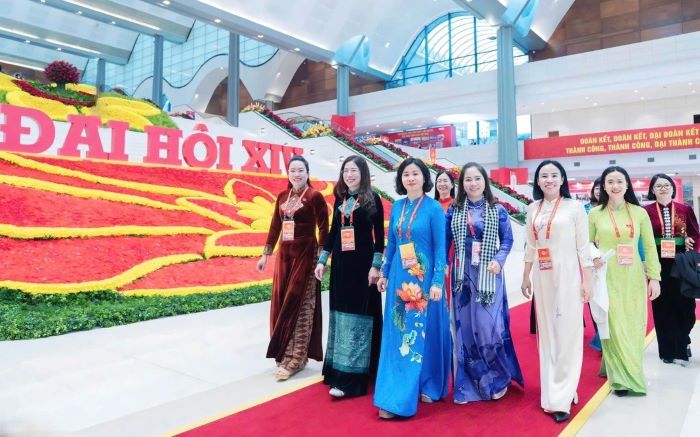 45 female candidates for the 16th National Assembly hold doctoral degrees, and 121 female candidates are from ethnic minority groups.
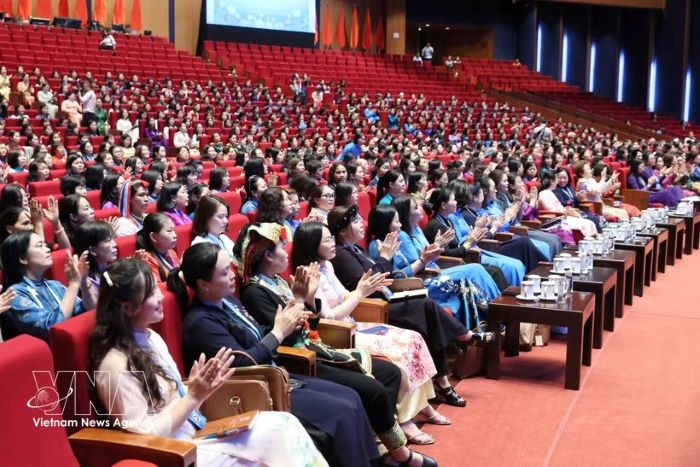
 Notably, 45 female candidates hold doctoral degrees, accounting for 23.6% of the 191 candidates who possess academic titles or advanced degrees, including professors, associate professors, and PhDs. Many of these women currently serve in leadership or managerial positions, or work as experts in fields such as science, education, healthcare, and public administration.
This figure not only reflects the Party and State's recognition of women's role in the new era but also shows a significant step forward in the pursuit of gender equality in Vietnam.
The participation of female PhD holders in the candidacy for the 16th National Assembly demonstrates that female intellectuals are increasingly becoming a core force in the political sphere. It also underscores that Vietnamese women today engage in politics not only as representatives of gender but also as individuals bringing knowledge, expertise, and a vision for national development.
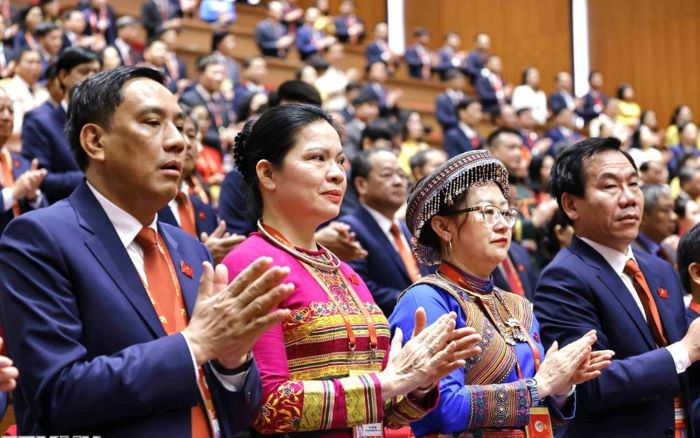
Female delegates from ethnic minorities attending the opening ceremony of the 14th National Party Congress. Photo: VNA.
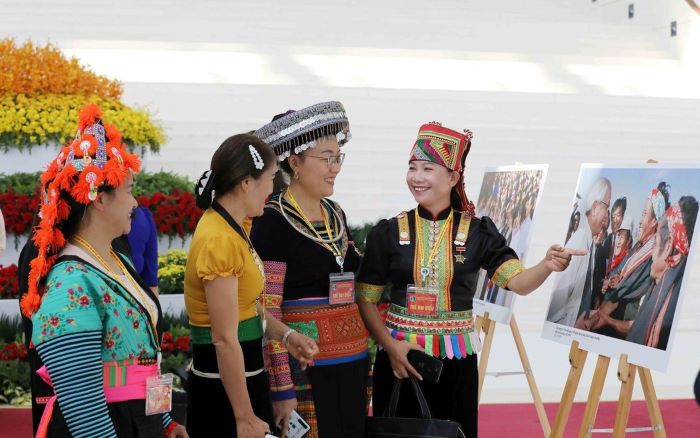
In addition, 121 female candidates are from ethnic minority groups, accounting for approximately 64% of the 188 ethnic minority candidates. The educational qualifications of these ethnic minority women have also improved significantly. Among them, 63 hold bachelor’s degrees, 41 hold master’s degrees, and 7 hold doctoral degrees.
Overall, more than 40% of the female ethnic minority candidates possess postgraduate qualifications, reflecting the strong development of ethnic minority intellectuals and the effectiveness of long-term policies aimed at training and developing human resources in ethnic minority areas.